Europe’s evolving market design towards 2040: Electricity Market Reform and decision-making during its implementation
EVOLVE will uncover the impact of the EU Electricity Market Reform (EMR), and its implementation, on the evolution of the European electricity market.
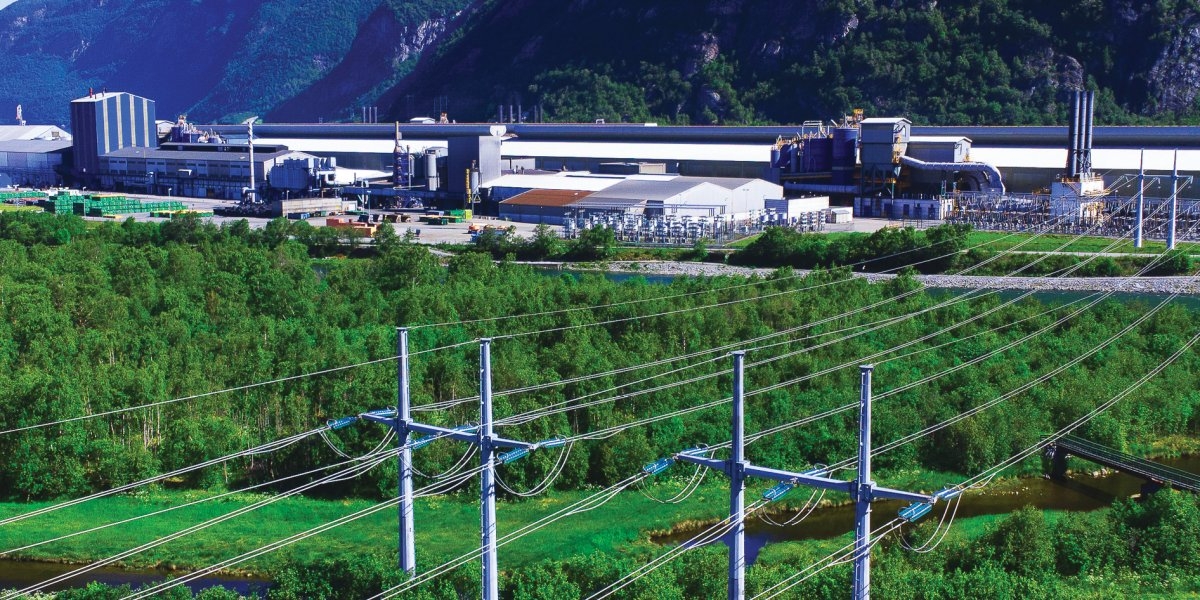
EVOLVE will uncover the impact of the EU Electricity Market Reform (EMR), and its implementation, on the evolution of the European electricity market.
Project details
About EVOLVE
Recent political science research has shown that EU implementation is not merely about putting adopted policies into practice, but also about a continuation of decision-making at national and European levels. Depending on the content of the many national and EU decisions at EU and national levels to implement the Electricity Market Reform (EMR), a more active role of the state or enhanced reliance on market forces could ensue. The decisions will also shape the extent to which different issues are regulated in EU and national law.
Different combinations of the role of the state and the market in the overall market design could have different impacts on market functioning and integration, yet the implications of differentiated implementation, and of EU-level implementation decisions, are poorly understood. EVOLVE will analyse the pattern of implementation decisions in the context of the EU electricity market. EVOLVE will assess the scope for discretion and delegation to national and EU actors in the soon-adopted EMR, to examine what role and leeway is foreseen for the various actors.
It will examine the factors behind decisions adopted during EMR implementation, and how this affects overall market design, the functioning of electricity markets and a potential new electricity market reform in the EU. Hence, EVOLVE analyses the impact of the EMR implementation on European countries’ ability to tackle the specific challenges of ensuring effective markets, expanding renewable energy production and ensuring as clean back-up capacity and as flexible demand as possible.
These issues are particularly relevant for Norway. Cooperation on the European electricity market triggers concerns about Norwegian electricity prices. Knowledge is needed on the effects and opportunities of an evolving European electricity market for Norwegian stakeholders.
Research partners in the project
Florence School of Regulation (FSR):
- Leonardo Meeus, director FSR og professor EUI
- Kaisa Huhta, professor FSR og associate professor University of Eastern Finland
- Emma Menegatti, research associate
- Ellen Beckstedde, research associate
Fridtjof Nansen Institute (FNI):
- Per Ove Eikeland, senior researcher
Technical University of Denmark (DTU):
- Lena Kitzing, professor
Universitetet i Bergen:
- Ignacio Herrera Anchustegui, associate professor
- Malgorzata Cyndecka, associate professor
Baker Botts, University of Tilburg and FSR
- Leigh Hancher, professor and legal counsel
DNV Energy Systems
- Jørgen Bjørndalen, chief consultant
Societal partners in the project
- Ministry of Energy
- Elvia
- Renewables Norway
- Hafslund E-CO Vannkraft
- Hydro
- Nord Pool
- Norwegian Energy Regulatory Authority (RME)
- Skagerak Kraft
- Statkraft
- Statnett